Our process / The History Bar
A clear idea.
A film with feeling.
From a brand brief or a script to the final frame: we bring human direction, AI filmmaking, real footage, and editorial craft into one production process. The tools expand what is possible. The story guides what we make.
Discuss your production ↗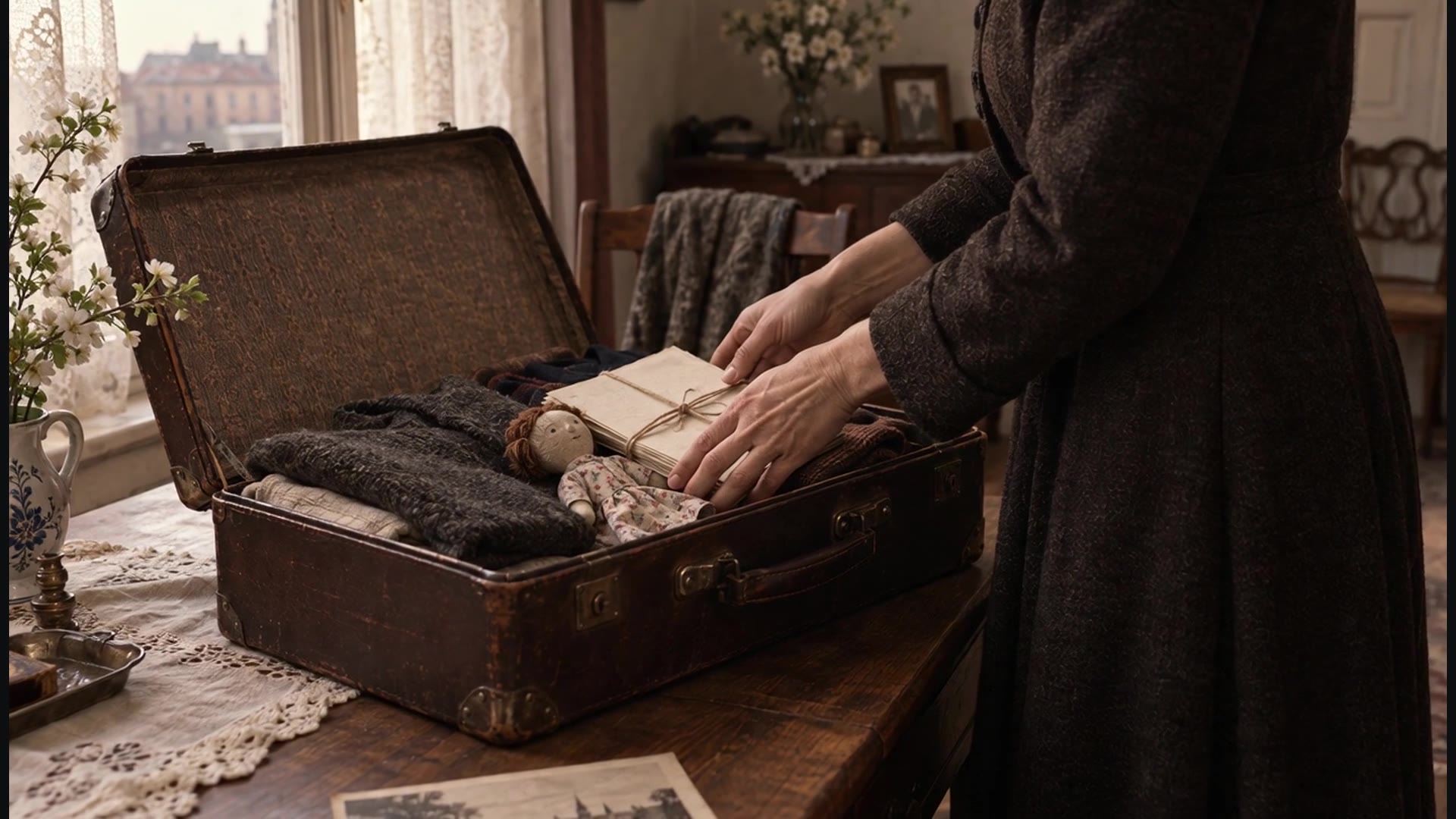 AI historical reconstruction · The St. Louis
What makes the difference
The blend is the craft.
A documentary may need authentic evidence and a reconstructed moment. A brand film may need an imagined world around a real product. A music visual may begin with a feeling. Each calls for its own visual language, developed around the audience and the brief.
AI is part of a complete filmmaking process: concept, script, shot design, visual development, generation, editing, music, and sound. Our documentary roots bring a close attention to detail, context, and the people at the center of a story.
Choose the production approach.
Built for the brief.
Directed as one film.
Create the world.
Develop the look, characters, environments, and shot plan for an AI-led film. Generate, review, and refine the scenes, then shape the selected material through editing and sound.
Bring the materials together.
Combine generated scenes with real footage, archive, stills, or client-supplied assets. Match the rhythm and visual treatment so the pieces serve the same story.
Fill the missing piece.
Join an existing agency or producer workflow for visual development, scene generation, reconstruction, editing, or finishing. Scope the assignment around the files and handoff your team needs.
From brief to screen
A production process
built around your story.
Start with the human stakes.
Define the audience, central question, source material, and intended use. Agree the scope, budget, schedule, and deliveries before production expands.
Build the visual treatment.
Develop the opening, narrative arc, visual references, and any character or product requirements. Review a treatment and selected style frames before committing to full scene production.
Direct. Inspect. Refine.
Direct scenes around clear actions and a consistent visual world. Review faces, wardrobe, settings, product details, anatomy, and continuity. Refine or replace shots that fall short of the approved direction.
Make every element belong.
Assemble the film through picture, color, narration, music, and sound. Review the cut against the agreed direction, then work through the revision rounds defined in your proposal. Changes to the brief are scoped before extra work begins.
Review for delivery.
Check the approved edit, technical specifications, and source and usage notes. Deliver the agreed master, platform versions, captions, or sequences. Usage, third-party licences, and any source-file handover are defined in the project scope.
Editorial care
Make the distinction
part of the storytelling.
Reconstruction is interpretation. It should help an audience understand a story while keeping its relationship to the historical record clear.
For each commission, we agree how recreated scenes, dramatized dialogue, and synthetic voices will be identified. Authentic recordings and AI reconstructions carry different evidentiary weight; that distinction informs the script, edit, and disclosures.
In practice
The St. Louis
Survivor testimony and archival material carry the historical account. Reconstructed family and shipboard moments help create a sense of everyday life on the voyage.
Harry Houdini
Surviving footage shows the performer in motion. Reconstructed scenes help connect the public legend to the private stakes of his final days.
See the films ↗For brands, agencies, producers & artists
A complete film.
Or a defined sequence.
Bring us a brand brief, a script, a song, a subject to develop, or a production that needs a visual sequence. We can scope the work around the stage you have reached.
A useful starting brief includes your audience, approximate length, deadline, available source material, and budget range.
Bring us your brief ↗